Smart Home IoT Integration in Multi-Family PropTech

The Expectation of the Modern Tenant
In luxury multi-family real estate (Class A apartment buildings), tenants expect more than just a roof over their heads. They expect a seamless, digital living experience.
If a tenant has to carry a brass key to open their door, a plastic fob to enter the gym, and log into a clunky web portal on their laptop to pay rent, the building feels outdated.
At DevApps Technology, we engineer Unified Tenant Companion Apps. We build a single React Native mobile application that acts as the remote control for the entire building, deeply integrated with physical IoT (Internet of Things) hardware.
1. Smart Locks & Access Control Integration
The foundation of a smart building is access control. We integrate with enterprise-grade smart lock APIs (such as Latch, Salto KS, or Brivo).
The Architecture:
- The React Native app communicates with the lock manufacturer's SDK via Bluetooth Low Energy (BLE) or Wi-Fi.
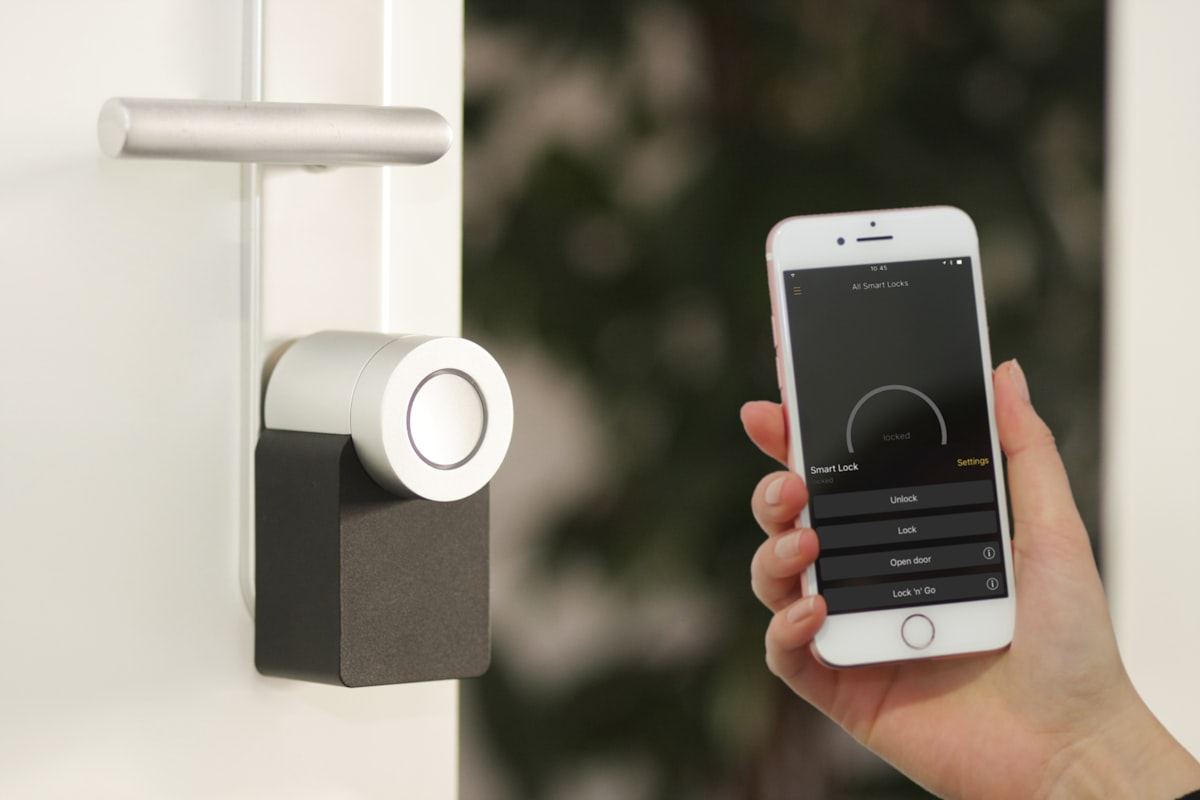
- Mobile Unlocking: As the tenant walks up to their apartment door, they simply tap a button on their phone (or Apple Watch), and the deadbolt physically unlocks.
- Temporary Guest Passes: If the tenant is having a dog walker come at 2 PM, they generate a temporary PIN code or QR code within the app. Our backend sends an API request to the Salto cloud, which pushes the temporary permission down to the physical door lock. The code expires automatically at 3 PM.
2. Video Intercoms (ButterflyMX)
When a delivery driver rings the front gate, the tenant shouldn't have to walk to a wall-mounted buzzer.
We integrate SIP-based VoIP video intercoms (like ButterflyMX). When the buzzer is pressed, the tenant's React Native app receives a VoIP push notification. They can view the live video feed of the delivery driver, speak to them, and press a button in the app to fire a relay switch that opens the lobby door.
3. Climate Control & Energy Management
For property managers, heating and cooling empty units is a massive waste of money.
By integrating APIs from smart thermostats (like Google Nest or Ecobee), we solve two problems:
- Tenant Comfort: Tenants can turn on their AC while they are still on the subway, arriving to a cool apartment.
- Landlord Efficiency (Vacant Unit Mode): When the custom Property Management ERP detects that a lease has ended and a unit is now vacant, the Node.js backend automatically pings the Nest API to set the thermostat to a hyper-efficient "Eco Mode," saving the building thousands of dollars in utility costs annually.
4. Hardware Agnosticism (The Microservice Layer)
A major risk in PropTech is hardware lock-in. If you hardcode your app to only work with Schlage locks, and the building owner decides to switch to Yale locks next year, the entire app breaks.
We engineer an Abstraction Layer (Microservice).
The React Native app simply says unlock_door(unit_4B). The Node.js microservice receives this command, checks the database to see which hardware vendor is installed in Unit 4B, translates the command into the specific vendor's API payload, and executes the action. This ensures your software remains hardware-agnostic and infinitely scalable across different buildings.
Building a modern luxury residential experience? Software must bridge the gap between the cloud and physical hardware. Contact DevApps Technology to architect your unified IoT PropTech app.
Tags & Topics
Ready to transform your enterprise?
Contact DevApps Technology to architect a custom software solution tailored to your exact business requirements.
Schedule a Consultation