IoT Security & Over-The-Air (OTA) Firmware Updates

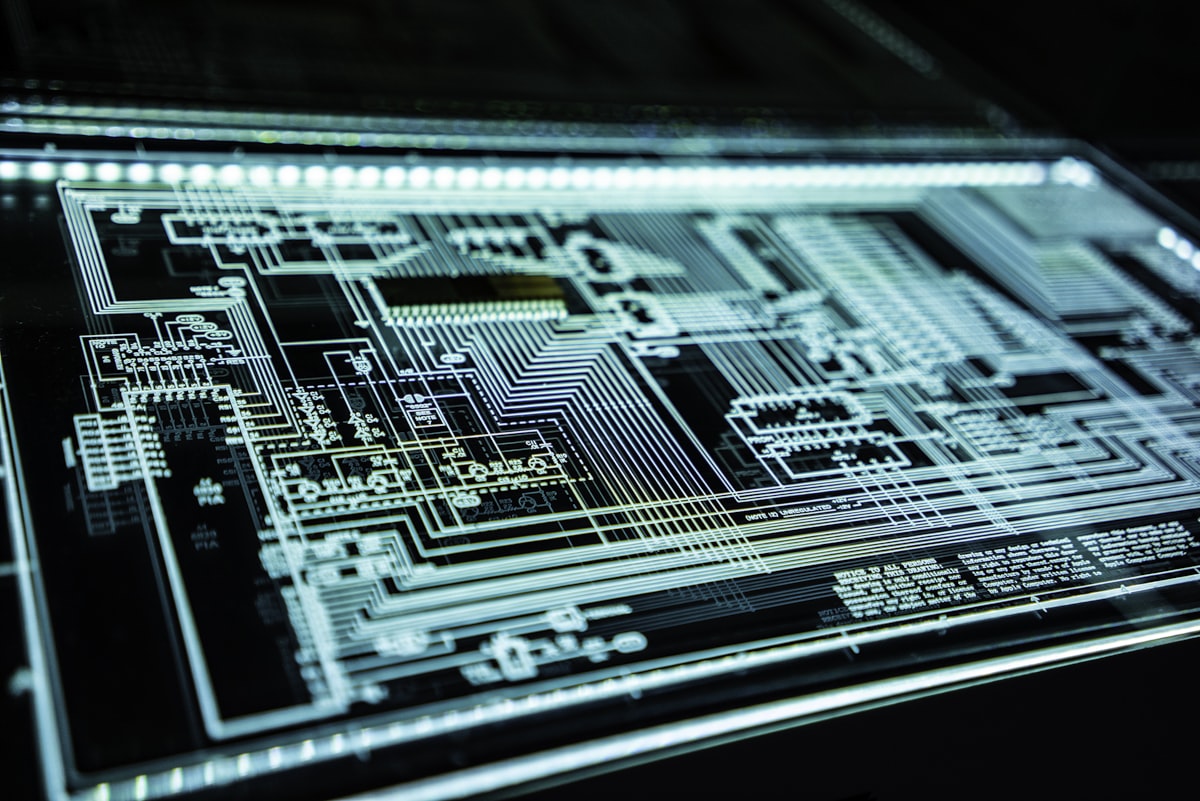
The Ultimate Cybersecurity Threat
If a hacker breaches a web application, they can steal a database of email addresses. If a hacker breaches an IoT network, they can physically unlock the front doors of 10,000 smart homes, turn off the refrigeration in a commercial pharmaceutical warehouse, or take remote control of a connected car driving down the highway.
IoT security is a matter of physical safety.
At DevApps Technology, we engineer military-grade security architectures for connected hardware, ensuring your devices cannot be hijacked, spoofed, or manipulated.
1. Hardware Root of Trust & Secure Boot
Security cannot begin at the Node.js software layer; it must begin at the physical silicon layer.
If a hacker physically steals your smart device, unscrews the casing, and plugs a USB cable into the motherboard, they will attempt to flash their own malicious operating system onto the device.
We engineer Secure Boot mechanisms utilizing a Hardware Root of Trust.
- The device contains a specialized cryptographic chip (e.g., a TPM or Secure Element).
- When the device powers on, before it even loads Linux, the processor checks the cryptographic signature of the bootloader.
- If the signature does not mathematically match the manufacturer's unchangeable hardcoded public key (meaning the hacker altered the OS), the device refuses to boot, permanently "bricking" itself to protect the network.
2. Identity and mTLS (Mutual TLS)
How does your AWS cloud server know that the device sending temperature data is actually your device, and not a hacker sitting in a basement running a Python script pretending to be your device?
You cannot use passwords (passwords can be extracted from hardware).
We engineer Mutual TLS (mTLS) Authentication.
- During the manufacturing process on the factory floor, a unique, mathematically unforgeable X.509 Client Certificate is burned into the Secure Element of every single device.
- When the device connects to your cloud MQTT broker, the cloud demands to see the certificate.
- Mutual Verification: The device mathematically proves to the cloud that it is authentic. Simultaneously, the cloud mathematically proves to the device that it is the real AWS server (preventing DNS spoofing/Man-in-the-Middle attacks).
- Once verified, a heavily encrypted TLS 1.2 tunnel is established.
3. Secure Over-The-Air (OTA) Updates
When a vulnerability is discovered (e.g., a flaw in the Wi-Fi protocol), you must update the code on 50,000 devices deployed globally. You do this via an OTA (Over-The-Air) update.
However, if a hacker manages to intercept the OTA pipeline, they can push malicious firmware to your entire fleet simultaneously.
The Cryptographic OTA Pipeline
- Our backend engineers compile the new firmware binary.
- The binary is cryptographically hashed and signed using a Private Key that is locked inside an AWS CloudHSM (Hardware Security Module), completely disconnected from the internet.
- The Node.js backend pushes the signed binary to the devices over the cellular network.
- The device downloads the payload. It does not install it immediately.
- The device's internal processor verifies the cryptographic signature against its hardcoded Public Key. If the signature is valid, it installs the update. If a single bit of the file was tampered with during transit, the math fails, and the device deletes the file immediately.
A/B Partitioning (Rollbacks)
What if the new code causes the device to crash on boot? You just bricked 50,000 devices that require manual factory resets. We engineer A/B memory partitions. The device boots the new code from Partition B. If it crashes or fails to connect to the internet within 5 minutes, a watchdog timer automatically reboots the device back to the stable Partition A, guaranteeing 100% fleet uptime.
Are your connected devices a ticking time bomb? A single compromised device can take down your entire network. Contact DevApps Technology to architect a cryptographically secure IoT pipeline.
Tags & Topics
Ready to transform your enterprise?
Contact DevApps Technology to architect a custom software solution tailored to your exact business requirements.
Schedule a Consultation